Beneath the Surface: The Surge in Underground Infrastructure
Data centers, bunkers, and tunnels are rising beneath our feet—quietly, massively, and often without explanation. Marketed as climate solutions or tech upgrades, these subterranean builds hint at something deeper: a world bracing for crisis while the public’s left in the dark.

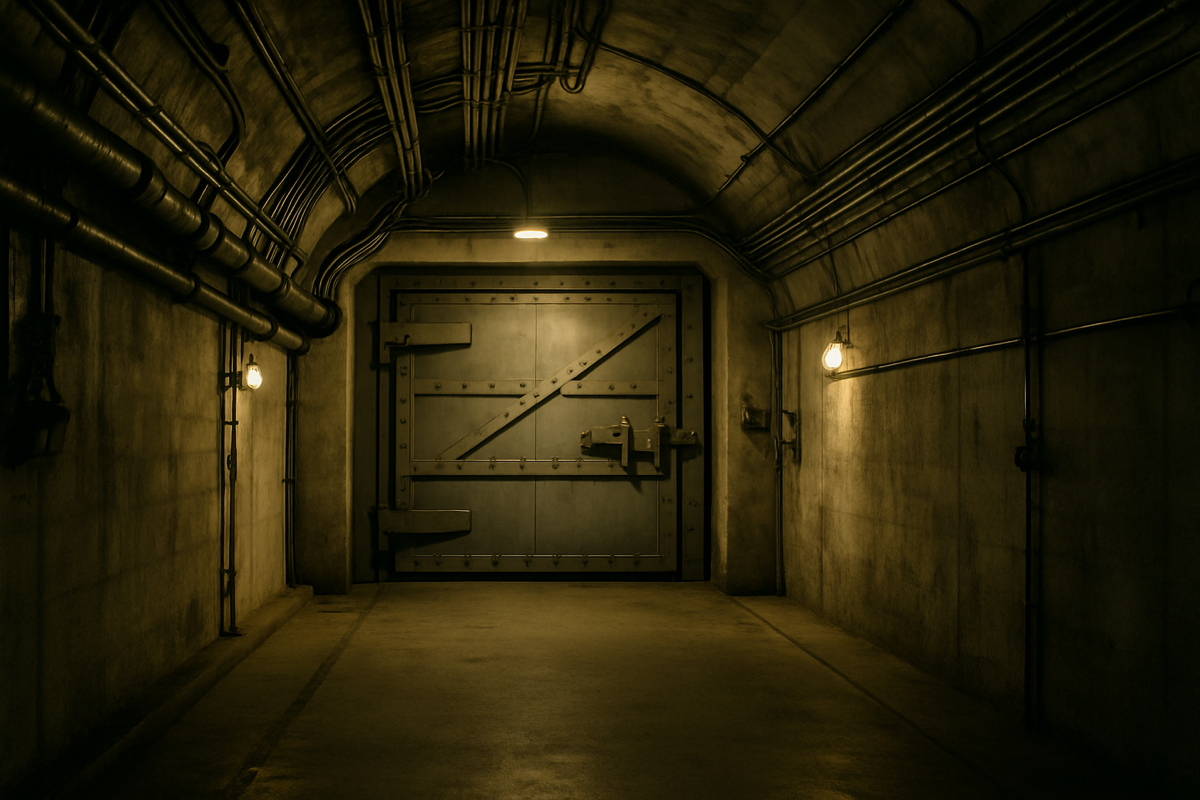
In recent years, there’s been a notable increase in the construction of underground facilities—data centers, bunkers, and tunnels. While official narratives cite reasons like climate resilience and digital expansion, the scale and secrecy surrounding these projects prompt deeper questions.
The Rise of Subterranean Data Centers
Tech giants are investing heavily in underground data centers. For instance, Blackstone is developing a $25 billion AI data center empire, with massive bunkers under construction in Phoenix, Arizona. These facilities are designed to house thousands of computers, consuming energy equivalent to hundreds of thousands of homes.
The rationale? Protection against natural disasters, enhanced security, and efficient cooling. But the question remains: Are these measures purely for operational efficiency, or is there an underlying anticipation of future crises?
Corporate Bunkers: Beyond Data Protection
Beyond data storage, corporations are exploring underground bunkers to safeguard executives and critical operations. These facilities are designed to withstand extreme events, including nuclear blasts. The first adopters are primarily cryptocurrency firms, seeking secure environments amidst geopolitical tensions.
This trend raises concerns about exclusivity and preparedness. If such measures are necessary, why aren’t they more widely discussed or accessible?
Climate Resilience or Strategic Fortification?
Cities worldwide are integrating underground spaces into climate resilience strategies. Projects aim to create cooler, greener, and more adaptable environments.
While these initiatives address environmental challenges, the extensive scale of some projects suggests additional motivations. Are these developments also serving as strategic fortifications for unforeseen events?
The Need for Transparency
The rapid expansion of underground infrastructure, often shrouded in secrecy, underscores the importance of transparency. As these developments continue, it’s crucial to question their purposes and implications.
Are these projects solely for operational efficiency and climate resilience, or do they signify preparations for more profound challenges ahead?
Stay informed.
Stay critical.